

Mobile apps that feel native — because they are.
Native iOS, native Android, or cross-platform with React Native or Flutter. We pick the stack that matches your product, your team, and your release cadence.
How we approach mobile app development.
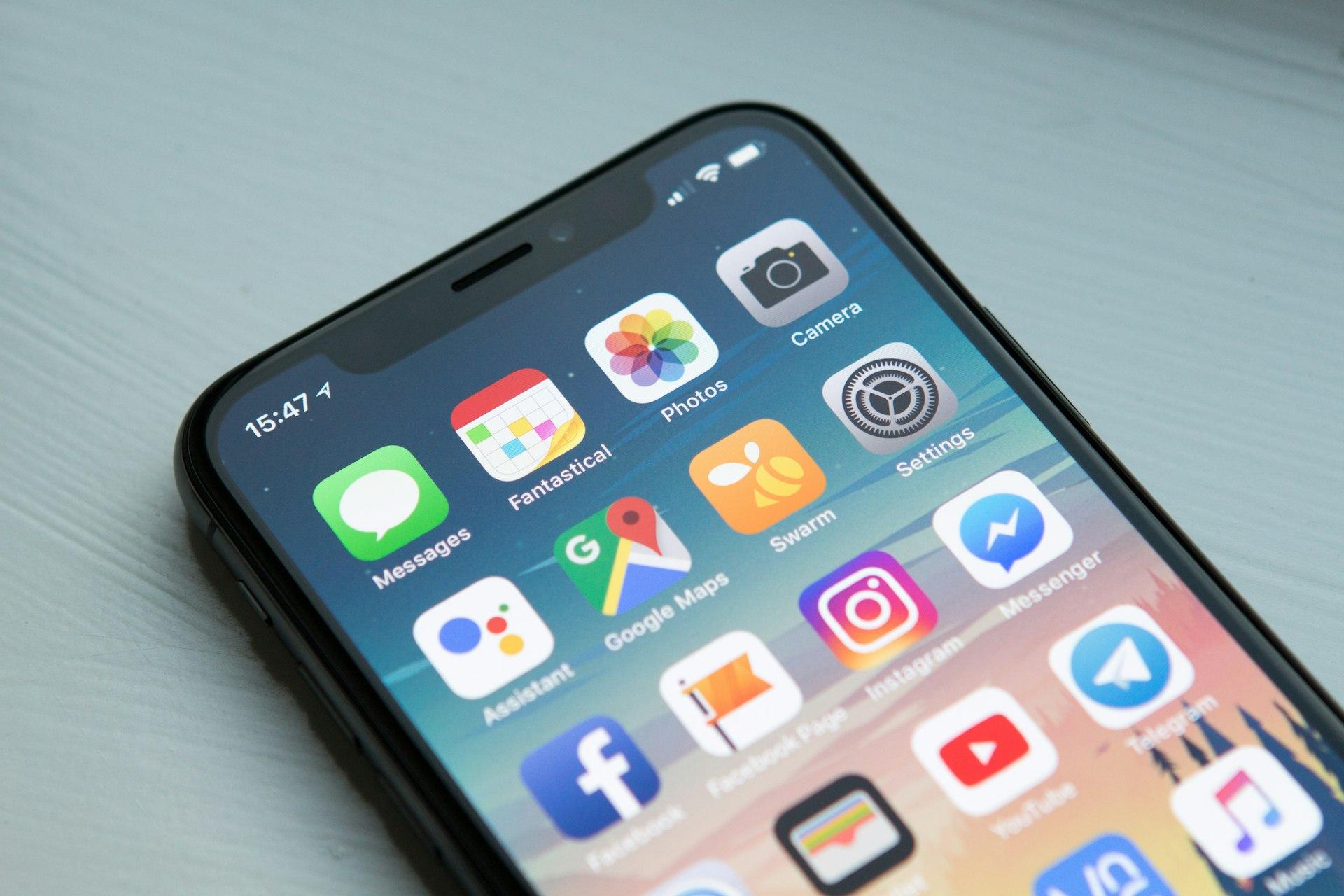
Mobile is unforgiving. Slow launches, dropped frames, and crash spikes are visible in the store reviews within hours. We build for those conditions from day one — small bundle sizes, reliable offline behaviour, and instrumented release pipelines.
We will recommend native when the product needs deep platform integration or sustained graphics performance, and cross-platform when you need one team shipping to two stores at the same rhythm. Most of our mobile work is React Native or Flutter, often paired with a small layer of native code where it earns its keep.
Best fit for
- Teams with a measurable product, operational, or platform outcome.
- Leaders who want senior engineers accountable for delivery decisions.
- Systems where launch quality, security, and handover matter commercially.
Not a fit for
- Staffing-only requests where nobody owns outcomes or technical quality.
- Projects that need the cheapest possible build, regardless of maintainability.
- Big-bang programmes with no room for discovery, proof, or staged cutover.
What you get in week one
- A named technical lead and communication rhythm.
- Outcome map, risk register, and first-slice recommendation.
- Access plan, repository/cloud checklist, and demo schedule.
Concrete artefacts, not just engineering activity.
Every engagement leaves your team with working software and the operational assets needed to own it: architecture records, dashboards, runbooks, and handover notes.
Mobile App Development roadmap with outcome metrics and assumptions
Architecture decision records and integration contracts
Delivery dashboard covering scope, risks, burn, and demo outcomes
Production code, tests, CI/CD, and environment documentation
Security, accessibility, and performance checklist
Runbooks, handover notes, and operating model recommendations
Start small, build fixed-scope, embed a squad, or stay for support.
Discovery
One to two weeks to shape the outcome, risks, and plan.
Fixed-scope build
Milestone-led delivery for a well-defined product or platform slice.
Embedded squad
A senior cross-functional team working inside your cadence.
Ongoing support
Operations, optimisation, roadmap delivery, and handover support.
A typical path from first workshop to production.
Week 1
Discovery, access, and risk map
Align on the mobile app development outcome, validate constraints, and define the first demo-able slice.
Weeks 2–3
Architecture and first working slice
Stand up the delivery environment, agree technical decisions, and ship the first thin slice to staging.
Weeks 4–8
Build, measure, and de-risk
Weekly demos, production-shaped infrastructure, testing, observability, and stakeholder feedback loops.
Launch
Harden, cut over, and hand over
Security, performance, accessibility, go-live runbook, and a practical ownership handover.
Risk reduction is part of the scope.
We make risks visible early: security posture, data migration, accessibility, performance, operational handover, and ownership. The risk register is reviewed in demos alongside working software.
A short list, so the engagement starts with momentum.
You do not need a finished spec. You do need a few things in place so senior engineers can move quickly instead of waiting.
- A named decision-maker who can prioritise the mobile app development scope
- Access to the people who understand the current process and its edge cases
- Access to systems, data samples, and environments (read-only is fine to begin)
- The constraints that matter: compliance, deadlines, budget envelope, integrations
- A definition of success we can measure — even a rough one to sharpen together
The expensive failure modes we have seen before.
Most of the cost in this work comes from a handful of avoidable errors. We design the engagement to keep you out of them.
- Scoping the mobile app development too broadly before anything ships and learns
- Treating security, accessibility, and operability as launch-day work
- Building on assumptions that were never validated with real users or data
- No clear owner, so decisions stall and momentum quietly drains away
- Skipping the handover, leaving a system nobody on your team wants to touch
Indicative shapes, so you can budget before we talk.
Every project is scoped to its outcome, so these are guides, not quotes. They give you a realistic sense of duration, team shape, and where the value lands.
Discovery sprint
1–2 weeksValidate the outcome, map risks, and leave with a costed plan and a fixed first milestone.
Team: 1 senior engineer + part-time architect
Fixed-scope build
6–12 weeksA well-defined product or platform slice delivered to production against agreed milestones.
Team: 2–4 senior engineers + design as needed
Embedded squad
3+ monthsA cross-functional team working inside your cadence, owning delivery alongside your people.
Team: Lead, senior engineers, product/design
No exact budget required to start. A 30-minute scoping call turns these shapes into a firm plan and a fixed first milestone.
The problems this work exists to solve.
Before we talk solutions, we get specific about what is actually costing you time, money, or sleep. These are the patterns we see most often.
Delivery that stalls before it ships
Roadmaps slip because the team is firefighting production, onboarding takes months, or the last vendor left behind code nobody wants to touch. Momentum, not ambition, is the constraint.
Systems that fight the business
The software was shaped around assumptions that no longer hold. Every new requirement means a workaround, and the cost of change keeps climbing while the roadmap keeps shrinking.
Risk that surfaces too late
Security, scale, and reliability get treated as launch-day problems. By the time they show up in an incident or an audit, the cheap window to fix them has already closed.
What you can expect.
Store-ready from week one
TestFlight and Play Internal builds in your hands within the first sprint, with proper signing and metadata.
Offline-first when it matters
Reliable local state, queued mutations, and graceful sync — for the parts of your product that need to work on the train.
Performance you can feel
Cold start, scrolling, and animation budgets agreed upfront and tracked every week.
Release engineering you can trust
Beta channels, staged rollouts, crash monitoring, and a one-click rollback path before launch.
Design that respects the platform
iOS feels like iOS, Android feels like Android. Shared brand, native idiom.
Accessibility built in
VoiceOver, TalkBack, dynamic type, and reduced motion supported from the first build.
How we deliver.
Step
Discovery & scoping
One to two weeks. We confirm the outcome, the constraints, the risks, and the smallest first slice worth shipping.
Step
Architecture & plan
A short, opinionated document covers the system shape, delivery plan, named team, and the success metrics by week.
Step
Build in slices
Working software demoed every week. CI from day one. Staging environment from day one. No big-bang reveal at the end.
Step
Harden & launch
Performance, security, accessibility, and observability passes before go-live. Runbooks and handover that match.
Step
Operate & evolve
Stay on as long as it makes sense. Continuous improvement, capacity changes, and the next initiative when you’re ready.
The stack, give or take.
We pick per problem, not per pitch. These are the tools we reach for most often on this kind of work.
Swift
Kotlin
React Native
Flutter
Expo
Firebase
Fastlane
Sentry
Where this work earns its keep.
The same engineering discipline, tuned to the regulation, scale, and accuracy demands of your sector.
Proof, in production.
We would rather show you a result than describe a capability. Here is a recent engagement where this work moved a number that mattered to the business.
Common questions.
- We look at performance requirements, platform-specific integrations, team composition, and release cadence. For most product apps, cross-platform is the right call. For graphics-heavy, hardware-bound, or platform-deep products, native usually wins.
- Yes. We set up your developer accounts, certificates, metadata, screenshots, and review responses. Most of our clients launch their first release within the engagement.
- Yes. We take on stabilisation engagements — typically a focused 4–8 week sprint that drives crash-free sessions above 99.5% and cuts ANRs to baseline.
- We have shipped watchOS, Wear OS, tvOS, Android TV, and CarPlay/Android Auto extensions. Each is a different conversation; the underlying product strategy comes first.
Ready when you are
Let’s talk about your mobile app development project.
Tell us what you are trying to ship. A senior engineer will follow up within one business day.
- Avg. engineer experience
- 9+ yrs
- Response time
- 1 day
- Code & IP ownership
- 100%